28 Sep
09:20 – 10:20 IST
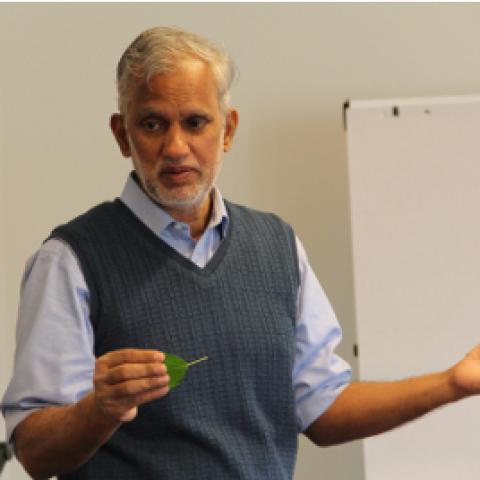
Dr R. Uma Shaanker
Monday, September 28, 2026
Bio
Uma Shaanker obtained his Master’s degree in Genetics and Plant Breeding and a Ph.D in Crop Physiology from the University of Agricultural Sciences, Bangalore. His research interests include plant evolutionary biology, conservation genetics, bioprospecting, endophyte biology and data mining. After superannuation as Professor and Head, Department of Crop Physiology and School of Ecology and Conservation, University of Agricultural Sciences, Bangalore, he was an ICAR Emeritus Scientist at the University of Agricultural Sciences, Bangalore. From 2019 to 2021 he served as Adjunct Faculty and from 2021 to 2024 he was a Senior Professor, Department of Bioscience and Bioengineering, Indian Institute of Technology, Jammu.
Uma Shaanker is an elected Fellow of the Indian Academy of Sciences, Bangalore. He was a Fulbright Fellow at the University of Massachusetts, Boston, and an Honorary Fellow of the Jawaharlal Nehru Center for Advanced Scientific Research, Bangalore. He is recipient of the Sir CV Raman Young Scientists’ Award and the State Environment Award, Government of Karnataka.
He has published more than 240 peer-reviewed papers, about 30 articles in books and monographs, besides authoring or editing fifteen books. He has served as an expert member on the advisory panels of the Department of Science and Technology, SERB, Department of Biotechnology and Council of Scientific and Industrial Research (CSIR), Government of India. Along with Prof. Kamal Bawa FRS and Prof. K.N. Ganeshaiah, he is one of the founding trustees of Ashoka Trust For Research In Ecology And The Environment (ATREE).
Abstract: Plants are rarely alone. Hidden within their tissues are diverse communities of fungi and other microorganisms that can influence how plants grow, acquire nutrients, respond to stress and interact with their environment. Yet plant ecology and evolution have traditionally focused largely on the plant as an individual organism. This lecture explores how endophytic fungi invite us to rethink that view. Drawing on examples of seed-associated endophytes, habitat-adapted symbiosis and endophyte-mediated tolerance to environmental stresses, I suggest that microbial partners may represent an overlooked dimension of plant adaptation. Could the capacity to adapt sometimes reside not only in the plant genome, but also in its microbial partners? And could such partnerships help plants respond more rapidly to a changing climate?
28 Sep
18:00 – 19:00 IST
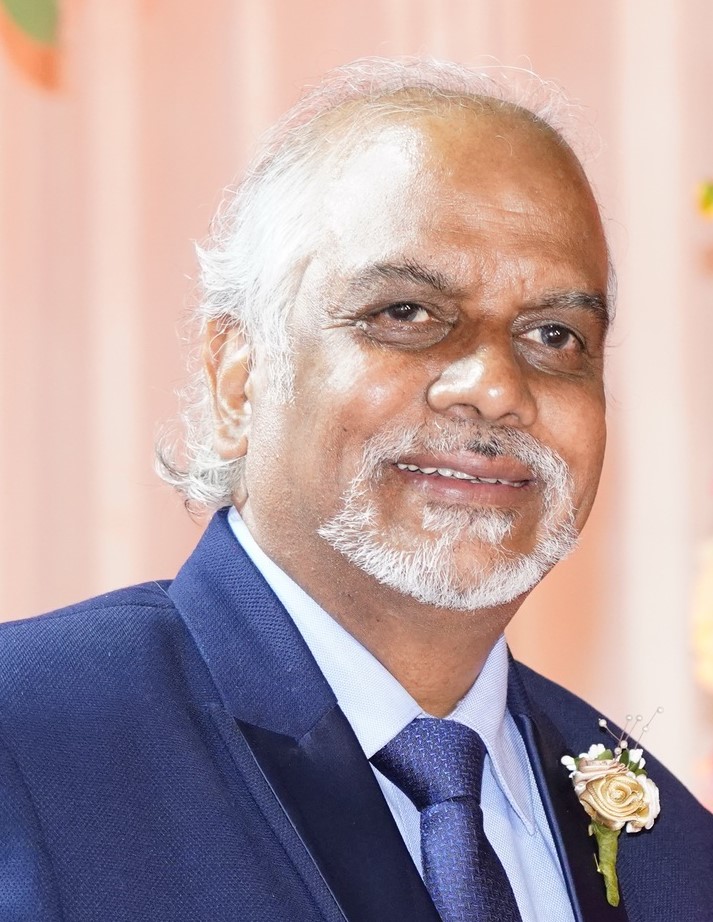
Dr. N. S. K. Harsh
M.Sc., Ph.D. (Botany)
Monday, September 28, 2026
Bio
A Fellow of Indian Phytopathological Society of India, has nearly 48 years of research experience in Forest Pathology, Taxonomy of fungi and Mushroom cultivation. He retired as Scientist-G & Head, Forest Pathology Division and Group Coordinator (Research) and Dean (Research) in Forest Research Institute, Dehradun, India. He worked as International Forest Pathology (Disease) Specialist for Lao PDR in an Asian Development Board funded project from 2019-2021.
He has 204 research papers published in national and international journals and edited books, authored 10 books and presented 112 papers in Seminars and Conferences; guided 33 students for Ph.D. degree and > 100 students from various universities of India for their M.Sc. dissertation work. He is delivering lectures to the probationers/trainees of professional forestry courses and graduate and post-graduate students in forest pathology and mycology.
He gives advisory services for tree health and heritage tree conservation to the New Delhi Municipal Council, Delhi Development Authority, Archaeological Survey of India, Central Public Works Department, Bodhgaya Temple Management Committee Gaya, Sai Baba Sansthan Shirdi, Tollygunge Club Kolkata, state forest departments, Woodstock School Mussoorie, Doon School Dehradun, India International Centre New Delhi, APSARA Authority Cambodia and Birla Lao Pulp & Plantations Company, Laos PDR. He is a reviewer for IPBES and IUCN, for national and international journals and a member in various Committees for Universities and Institutes.
Abstract:
Biodiversity is the variation of life forms within a given ecosystem, biome or on the entire Earth. We know practically all the birds, and almost all the mammals, that inhabit the earth. But we know only a small fraction of the arthropods and fungi. So far approximately a million insects and somewhere between 70,000 and 100,000 fungi have been described, but it is obvious to the professionals who work in these areas that huge numbers of both groups have not yet been described. David Hawksworth in 2019 estimated that nearly 1.5 million fungi exist of which only 20 percent are explored.
Fungi in the forest ecosystem act as the decomposers, augmenters, pathogens and symbionts and provide an interesting group of organisms which depend largely for their survival and growth on climatic factors like moisture, temperature and nutrients. A vast majority of fungi are microscopic, living in the soil, litter, water, and in close association with plants, animals, and other organisms. Morphologically they are single-celled to multi-cellular, microscopic to macroscopic, have different shapes, structures and colours. The diversity exists not only between different groups and genera but even within the same species.
The macroscopic fungi (commonly called mushrooms) due to their striking colors, size and shapes are attracting man and animals since time immemorial. Man has learnt through trials and errors that some of these are edible while others are fatally poisonous. Mushrooms are currently evaluated for their nutritional value and acceptability as well as for their pharmacological properties. They make up a vast and yet largely untapped source of powerfully new pharmaceutical products. More than 270 mushroom species that exhibit medicinal properties, only a few have been studied for their chemical constituents. The largest living fungus which had been reported might be a honey fungus of the species Armillaria ostoyae. A mushroom of this type in the Malheur National Forest in the Blue Mountains of eastern Oregon, U.S. was found to be the largest fungal colony in the world, spanning 8.9 km² of area and possibly weighing as much as 35,000 ton. A specimen of Armillaria ostoyae was estimated growing over 37 ha area in northern Michigan, United States and weighting around 440 tons had been reported after spatial genetic analysis.
Over the past half-century, human activities have caused an unprecedented decline in biological diversity. Species are going extinct a thousand times faster than the natural rate which is further compounded by climate change. In recent times rapid growth of the urban areas; construction of buildings, roads, rails, communication lines, dams, etc.; encroachment of forest and agricultural land for expansion of arable areas and mining activities can be considered as the direct onslaughts on the mother Nature which are resulting into continuous depletion of biodiversity. Fungal diversity cannot remain unaffected due to anthropogenic activities.
Globally, enormous efforts have been made so far to significantly reduce the current rate of biodiversity loss. The most important being Convention on Biological Diversity, focusing on conservation of biodiversity, the sustainable use of its components, and the fair and equitable sharing of the benefits arising out of the utilization of genetic resources. Therefore, in order to protect, conserve and restore biodiversity, a concerted response from governments and society is required involving governments, industry, local community, conservationists, forest departments, students and other user groups. Creating awareness about fungi and preparing next generation of mycologists would be crucial for this onerous and challenging task. In this presentation, I will showcase some of the wonderful mushrooms to make the participants acquaint with their habitat and beauty and I will also share some personal stories to garner their interest.
30 Sep
09:00 – 10:00 IST
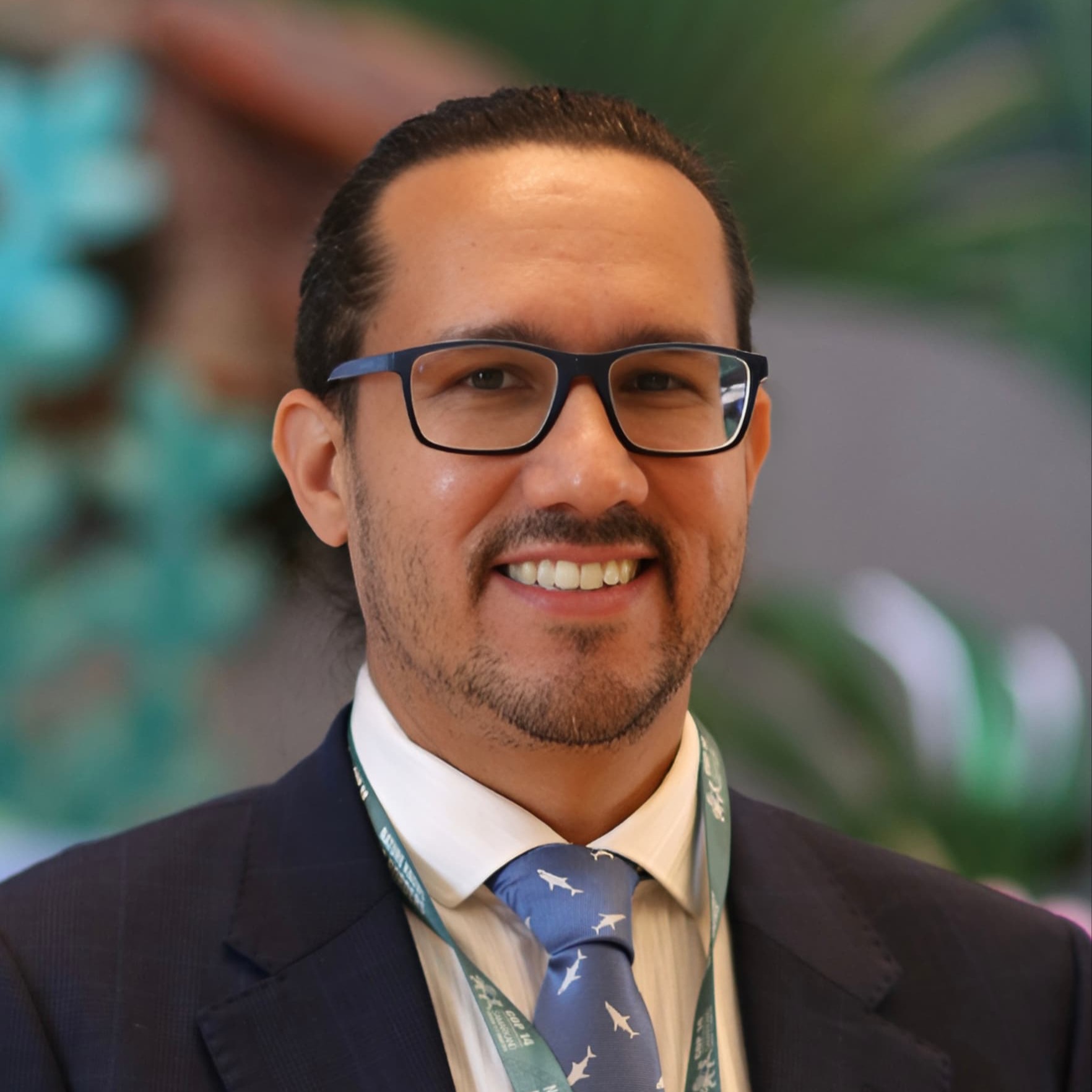
Daniel Fernando
Wednesday, September 30, 2026
Bio
Daniel is a marine biologist and co-founder of Blue Resources Trust, a Sri Lankan marine research and conservation organisation, where he leads the Fisheries and Policy Programme. For over a decade, he has provided technical advice on elasmobranchs related to multilateral environmental agreements, including CITES and CMS, bridging science and policy and advancing sustainable fisheries management. He has previously served as a ministerial advisor, Regional Co-Vice Chair of the IUCN SSC Shark Specialist Group for the Indian Ocean, and Vice Chair of the CMS Scientific Council's Sessional Committee. He is a Fellow of the New England Aquarium's Marine Conservation Action Fund.
Abstract: Manta and mobula rays (mobulid rays) exemplify the disconnect between scientific evidence and effective fisheries policy. These charismatic, circumglobally distributed pelagic megafauna have slow life histories, making them highly vulnerable to fishing pressure. Exploitation in target and bycatch fisheries drives significant population declines, fuelled by international demand for gill plates, marketed as a pseudo-remedy in Traditional Chinese Medicine. Long-term monitoring at landing sites, genetic barcoding of traded products, life history research, and satellite telemetry together show that unmonitored, unmanaged catch is the primary driver of decline. Multilateral instruments, including CITES and CMS, and regional fisheries bodies such as the IOTC, have responded by establishing international trade and fisheries measures for mobulids, demonstrating how research can inform policy and, in some cases, implementation through mechanisms such as CITES' Review of Significant Trade. However, mobulids have since been uplisted to CITES Appendix I, after continued population decline demonstrated that trade was not sufficiently regulated. Additionally, landings continue in most countries in contravention of CMS Appendix I, which prohibits capture or retention. This pattern recurs across many sharks and rays; now the world's second most threatened vertebrate group. Conservation measures introduced are reactionary, long overdue, with implementation constrained by political and economic considerations rather than scientific evidence alone. Preventing extinctions may require more radical measures, including phasing out commercial exploitation and all international trade of sharks and rays, alongside recovery plans. Such an approach may offer relief to genuine subsistence and small-scale fisheries that depend on them for livelihoods and food security.
30 Sep
18:00 – 19:00 IST
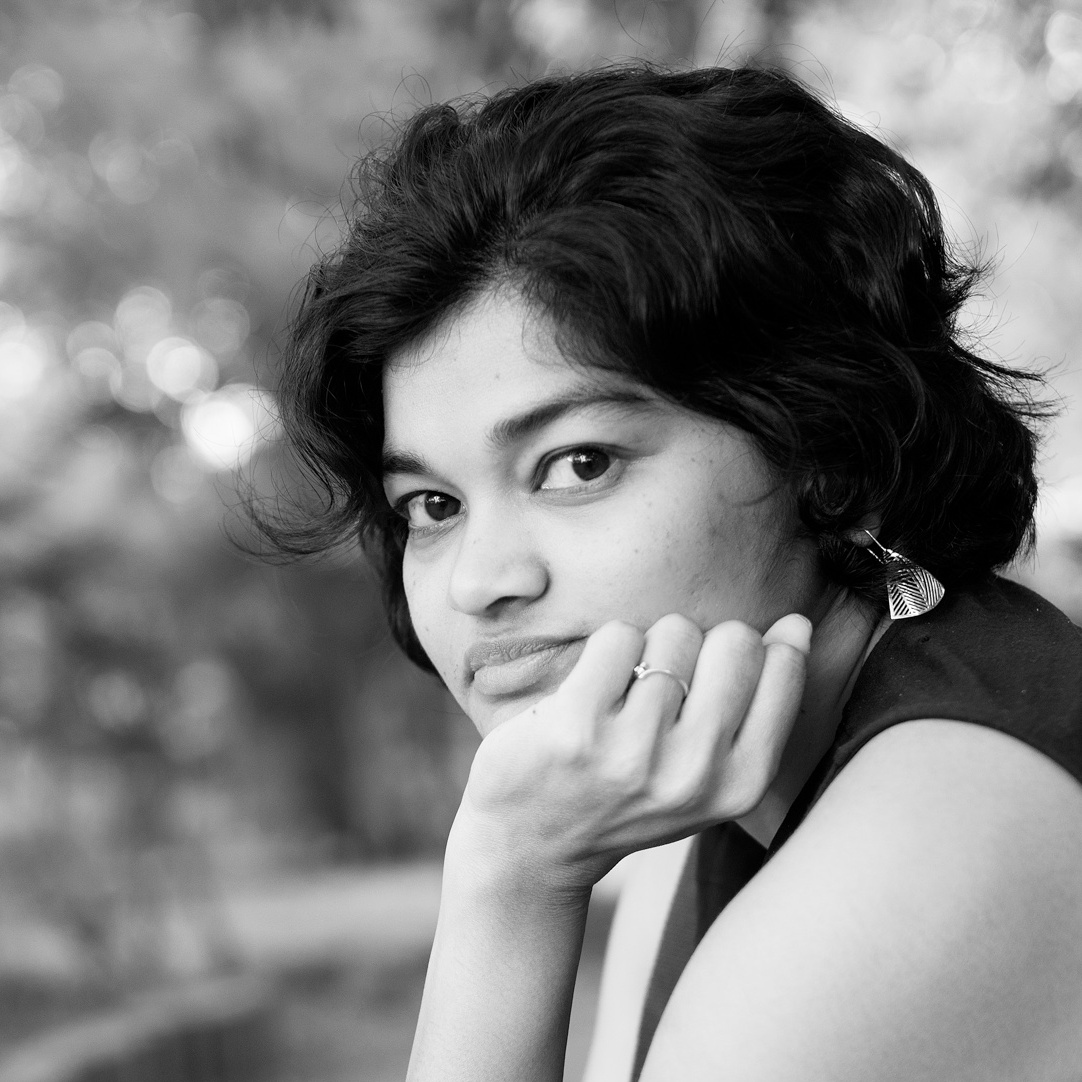
Dr Divya Vasudev
Wednesday, September 30, 2026
Bio
Divya Vasudev works on landscape-scale conservation of species and ecosystems, with a special interest in connectivity and shared spaces. She has expertise in quantitative ecology and is keen on furthering the incorporation of scientific knowledge into conservation decision-making. In 2017, Divya co-founded Conservation Initiatives, to further science-based conservation of threatened wildlife and ecosystems, and build conservation capacity and momentum, with a focus on Northeast India.
Divya’s interests started with observing primate behaviour, but over the years, has expanded to include social-ecological processes shaping conservation in complex dynamic landscapes. Today, she works on various inter-connected themes including spatial ecology, connectivity, species distributions, and human–wildlife interactions; and on Nature’s contributions to people, and strengthening links between nature and people’s wellbeing. She still loves watching animals interact with each other, and spending time in the solace of forests, but strives to ensure her work has real-world implications locally and globally.
Abstract: Conservation today occurs in landscapes characterised by mosaics of forests, grasslands, plantations and agricultural fields, and a continuously changing tapestry of people–wildlife interactions. I examine this complex social-ecological landscape in the context of the Asian elephant, a 3-tonne wide-ranging species that shares space with people in >50% of its range. Elephants are capable of movement across large distances, yet I show that their connectivity can be restricted by spaces as narrow as just a few kilometers; the key limiting factor to elephant movement and connectivity is human presence and behaviour. From on-foot follows of elephants in plantations of the Kaziranga landscape, Northeast India, I take a deep dive into real-time responses of elephants and people to each other, showing the interface between conflict and animal movement. I show how conflict and connectivity play out at larger landscape scales using a novel approach to modelling connectivity, pitting human well-being concerns against animal persistence needs. I bring this home with people’s attitudes towards elephants, highlighting how they perceive elephants both notionally and when in their own backyard. I expand the domain of inference by drawing linkages to how communities in Nagaland and Meghalaya interact with forests and biodiversity on their lands, with relevance for community-based conservation across large hill tracts of Northeast India. With these two examples, I show how conservation dreams interact, manifest and sometimes clash with lived realities, highlighting how scientific information can examine these complexities. Understanding these inter-linkages will be key to achieving conservation solutions in today’s scenario of rapidly changing socio-ecological environments.
01 Oct
09:00 – 10:00 IST
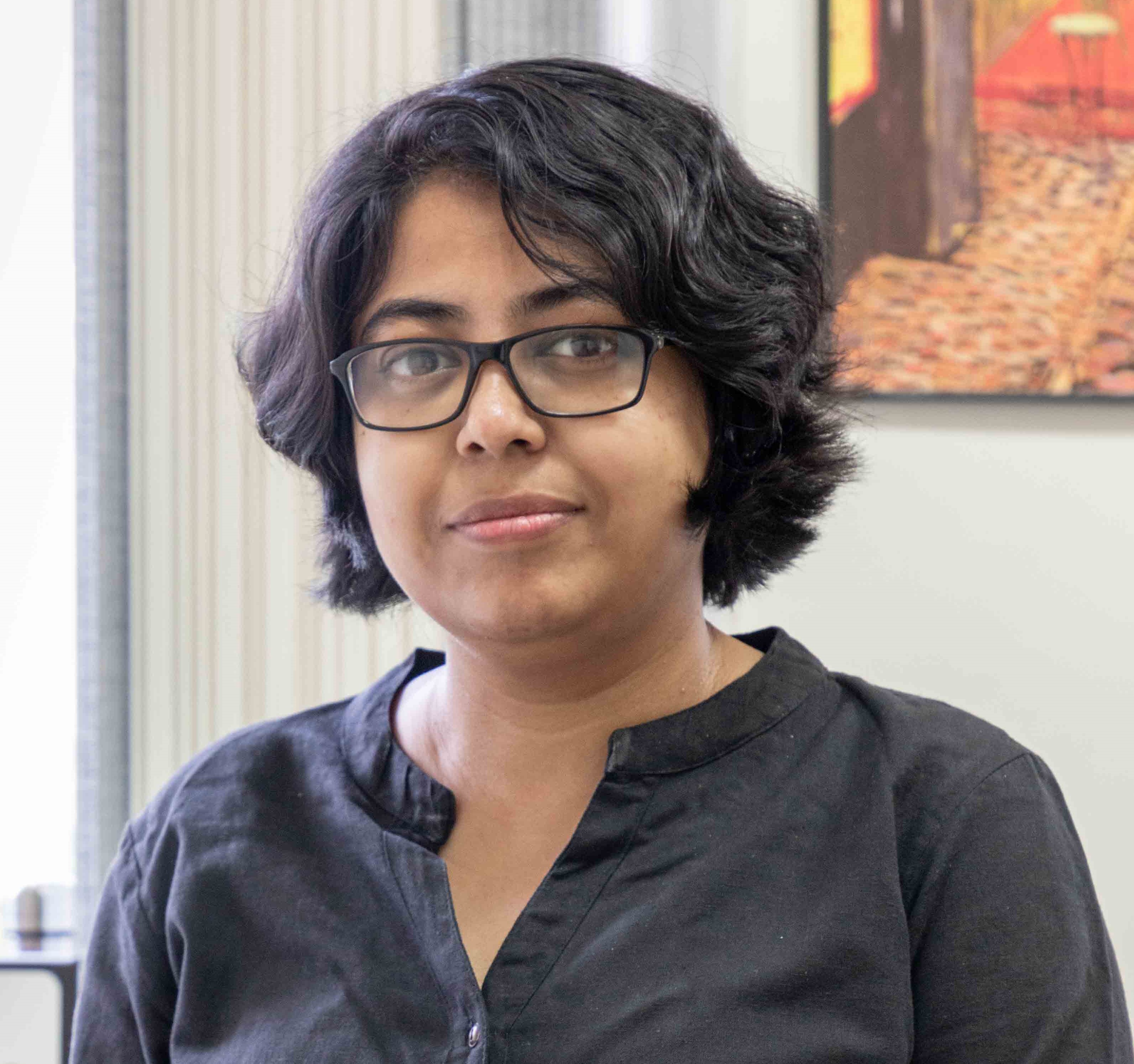
Dr Devapriya Chattopadhyay
Thursday, October 1, 2026
Bio
Devapriya Chattopadhyay is a paleobiologist whose research sits at the intersection of ecology and evolution, with a particular focus on marine mollusks. She earned her PhD in Geology from the University of Michigan and, upon returning to India, began her academic career as an Assistant Professor at IISER Kolkata. She is currently Professor in the Department of Earth and Climate Science at IISER Pune.
Her work centers on a fundamental question: how have marine animal communities responded to environmental change across geological time? To answer this, she bridges the ancient and the living — drawing on both fossil and modern seashells as windows into the past and present. Her research spans fieldwork at fossil sites, underwater observation of living organisms, controlled aquarium experiments, and quantitative statistical modeling. This integrative approach allows her to reconstruct ecological patterns across deep time and connect them to the challenges marine life faces today.
Abstract: The connectivity of the world's oceans has shifted across both geological and human timescales, reshaping the diversity and distribution of marine communities living on the seafloor through time. Disentangling the effects of these connectivity changes is complex, since they are entangled with other concurrent environmental shifts. Reconstructing past biogeographic patterns adds further complexity: the fossil record is shaped by preservation biases, shifting paleoenvironmental conditions, and uneven sampling across space and time, all of which must be carefully accounted for before drawing reliable conclusions. This work depends fundamentally on field-based research, paired with natural history museum collections, which serve as irreplaceable, long-term archives of biodiversity that make comparisons across time and space possible in the first place. In this talk, I'll share studies examining how changing seaways have shaped shallow marine benthic ecology, along with the challenges of interpreting these records reliably. These challenges aren't purely scientific: the social and economic contexts in which data are collected and interpreted also shape what we can know about deep-time biodiversity. I'll close by discussing why this deep-time perspective matters beyond paleontology: by understanding how marine biodiversity has responded to past environmental change, we can better anticipate how it may respond to the ocean changes unfolding today, offering a valuable insight for conservation strategies.
01 Oct
16:50 – 18:00 IST
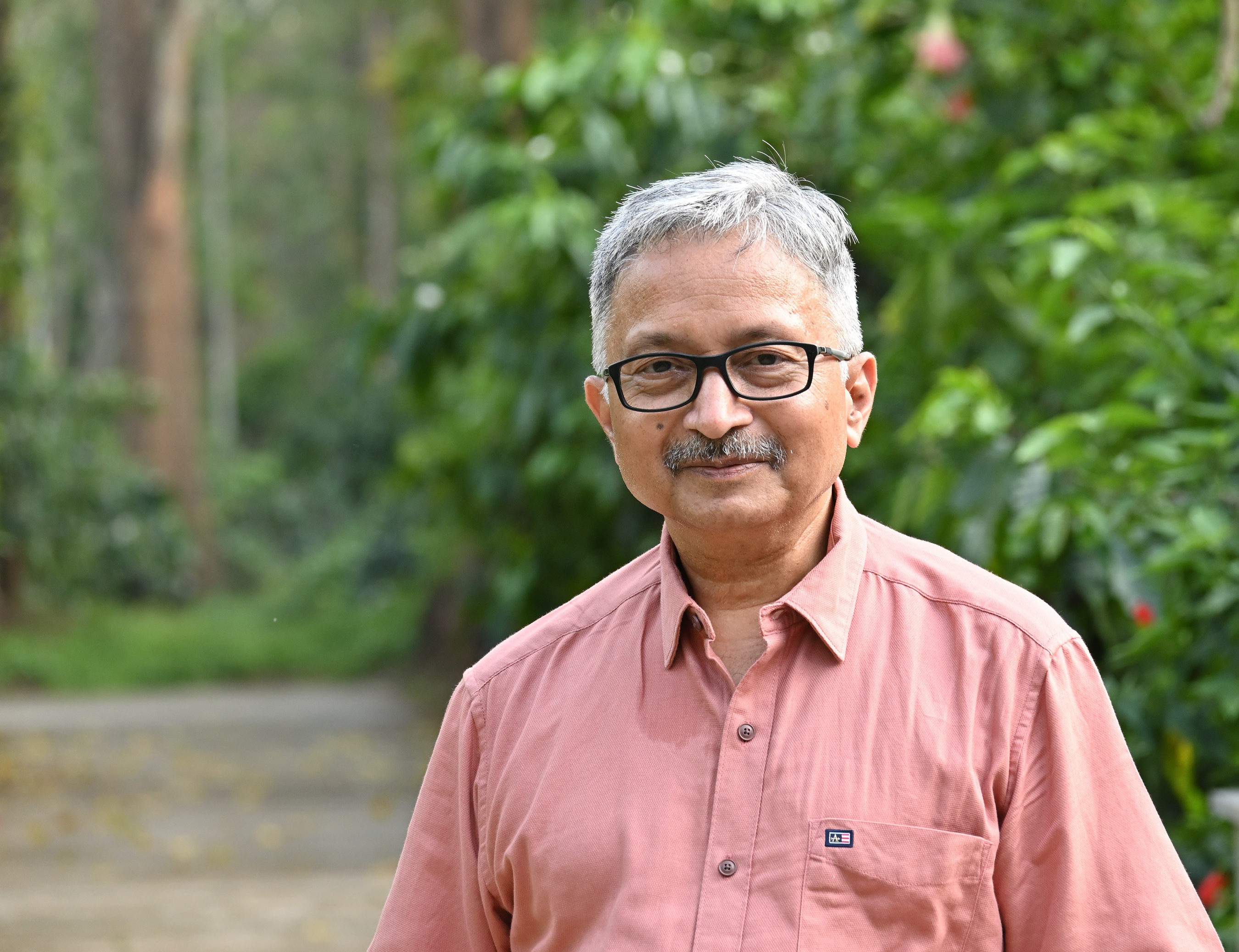
Mr S. Gopikrishna Warrier
Thursday, October 1, 2026
Bio
S. Gopikrishna Warrier is an environment journalist based in Thrissur in Kerala. He is presently the editorial director for Mongabay-India, an environment and conservation online publication.
He has written for the India Climate Dialogue, Nature India, Frontline magazine, The News Minute, India Legal, the Times of India, the Hindu and the Hindu Business Line newspaper. His pieces have also been published in the First Post and Forbes India. His stories and blogs can be read at A touch of green.
For a decade starting 1992, he was an environment journalist in Chennai – with Down to Earth magazine and the Hindu Business Line newspaper. Gopi is the former secretary of the Forum of Environmental Journalists in India (FEJI), a professional body for environment journalists in India. In his earlier assignment as the regional environment manager for Panos South Asia, he worked with the media in Bangladesh, Bhutan, India, Nepal, Pakistan and Sri Lanka to enhance journalists’ understanding on climate change and biodiversity.
From 2003 to 2011 he worked with the communication departments of two international agricultural research organisations. He was the media spokesperson for the International Crops Research Institute for the Semi-Arid Tropics (ICRISAT) at its headquarters at Hyderabad, India. He was the science writer and head of publications at the Africa Rice Center at Cotonou in Benin in West Africa. From 1987 to 1992 he worked in New Delhi with two national-level environment and development NGOs – Action for Food Production (AFPRO) and the Indian National Trust for Art and Cultural Heritage (INTACH).
Abstract: Scientists talk continuously with their peers. There are many established processes and platforms for this communication. In a world that is changing with astonishing rapidity, the need for communicating beyond the peer group is becoming increasingly important. Established geo- political orders are transitioning within months - a pace not seen since the Second World War. This, in turn, is rocking the very foundations of many scientific establishments that the senior scientists would have considered as institutional bedrocks. In addition, climate change seems to be reaching the tipping point from where future trajectories are unknown and indefinable. For young researchers, the need to communicate better with the world is more important than what it was for the senior scientists of today. To navigate these ever-changing situations, young researchers will certainly need to innovate - both in terms of how the research story is told, and the platforms through which it is told. This talk is from the perspective of a journalist, who has looked at research breakthroughs and stories from the outside - how all this adds up to the meta story of biodiversity and climate change. Journalism is the practice of reporting history as it is happening. Scientific research too is a continuing story - tomorrow could rewrite the truths of today. Together, the two disciplines broaden the horizons of human understanding. However, just as there are rules for doing research, there are rules for journalism and any form of communication. Even in an environment where the rules of communication are changing and evolving, the guiding principles have remained the same since the time early humans etched what they saw on cave walls. This talk will cover some of these guiding principles. It will also explore how journalists and researchers can make sense of the ever-changing larger world and locate their work within this canvas.